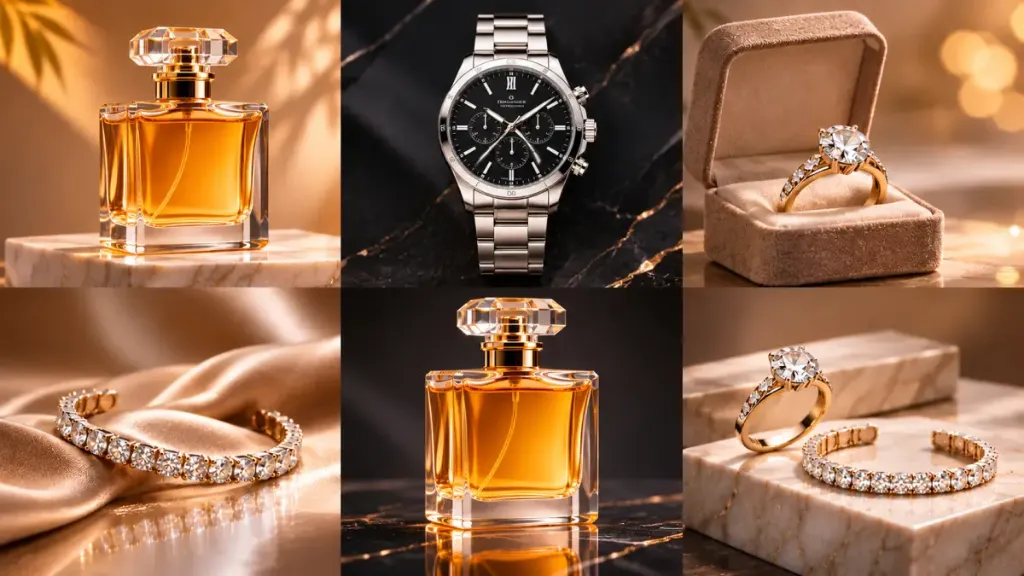
In luxury cosmetics, skincare, and fine fragrances, e-commerce brands face a unique sensory paradox: customers cannot smell a perfume, feel an anti-aging peptide serum, or test a hydrating moisturizer through their digital screens.
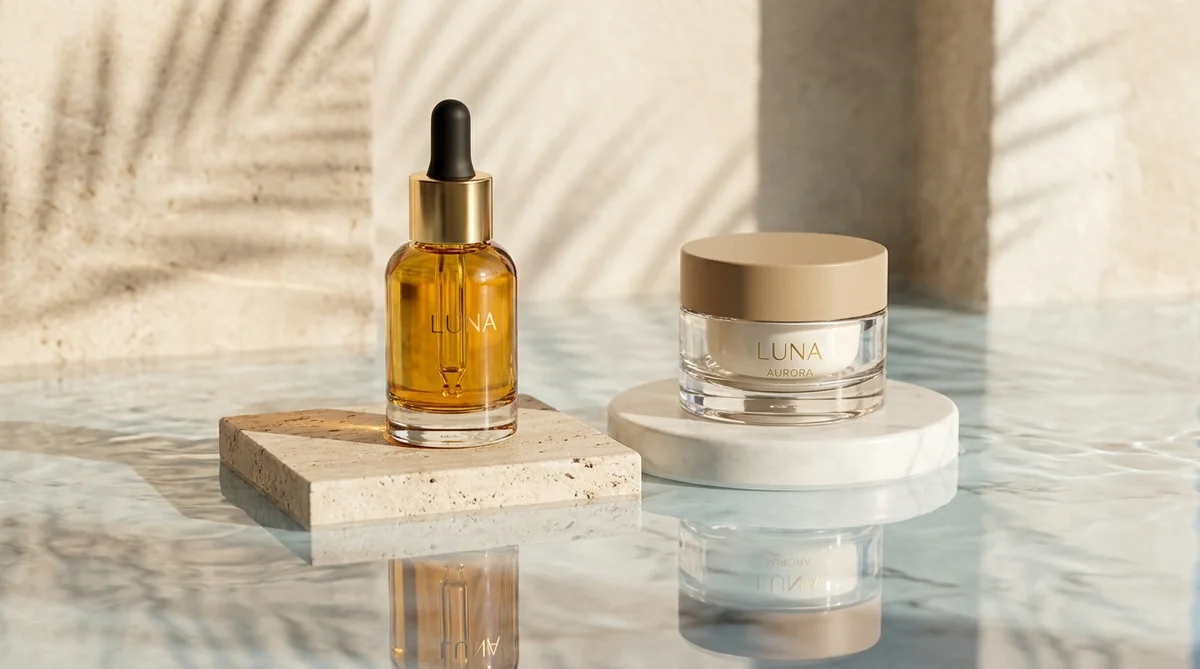
The physical formulation of a 50ml luxury fragrance or hyaluronic serum often costs between $3 and $7 to bottle and package. Yet, premium boutique brands routinely retail them for $95 to $280. The difference in price elasticity and perceived value is driven almost entirely by editorial visual storytelling: the tactile mass of heavy glass, the cool texture of porous travertine, the delicate shimmer of sunlight through water caustics, and the precision of embossed gold foil typography.
Historically, beauty and fragrance photography was the single most technically unforgiving discipline in commercial studio work. Perfume bottles act like convex mirrors that reflect the photographer, camera bodies, and room clutter. Transparent liquids create chaotic light refractions, and staging luxury props - like imported Italian marble slabs, acrylic water ripple tanks, and fresh botanicals - demands thousands of dollars in studio rental and prop styling fees.
With modern e-commerce AI and physics-accurate ray-tracing engines like SocialShot AI Studio, beauty founders and independent cosmetic merchants can now generate magazine-grade editorial campaigns from a single smartphone capture.
This masterclass breaks down the optical physics of glass, backlighting techniques for colored fluids, pre-shoot bottle hygiene, and AI staging workflows to build a multi-million-dollar beauty brand aesthetic on a bootstrap budget.
Pre-Shoot Hygiene: The Zero-Smudge Standard for Glass & Cosmetics
In commercial beauty photography, high-resolution camera sensors capture microscopic imperfections that are invisible to the naked eye. A single oily thumbprint or a crooked dropper tube will destroy the luxury illusion.
Follow these mandatory pre-shoot preparation rituals:
1. The Isopropyl Alcohol & Microfiber Wipe
Never touch glass bottles or acrylic jars with bare hands once unpacked. Human skin secretes natural oils that create cloudy, greasy smudges across polished glass under bright light. Thoroughly wipe down the entire flacon with a 70% isopropyl alcohol wipe and buff dry with a lint-free microfiber cloth.
2. Cotton Gloves for Bottle Handling
Once the bottle is cleaned, handle it exclusively wearing clean white cotton gloves. This allows you to position and adjust the bottle on your shooting table without transferring fresh fingerprints.
3. Dropper Pipette Alignment & Meniscus Leveling
For serum dropper bottles, ensure the glass pipette hangs completely straight down the vertical center of the bottle - never resting crookedly against the interior glass wall. Gently squeeze the rubber bulb to eliminate air bubbles inside the liquid column, creating a pristine, solid cylinder of fluid.
4. Flawless Label Orientation
Ensure the pump nozzle or bottle cap aligns symmetrically with the front label. If the cap threads lock at an off-center angle, place a tiny strip of transparent tape along the inner neck screw threads to stop the cap facing directly forward.
The 3 Optical Nightmares of Glass Photography (and How to Tame Them)
To achieve commercial-grade realism, you must understand the optical behavior of glass and liquid surfaces:
1. The Specular Mirror Effect (Unwanted Camera Reflections)
Polished glass flacons act like spherical mirrors, reflecting your camera, hands, and room clutter as ugly black smudges across the product. Commercial photographers solve this by shooting through a white foam board with a circular hole cut out for the camera lens, so the glass reflects pure white light instead of the photographer.
2. Liquid Refraction & Caustic Light Pools
When light passes through amber perfume or pink facial oil, the curved liquid volume acts as an optical lens, focusing light into dancing caustic ripple patterns on the surface below. Flat background cutouts that erase these caustics make bottles look like plastic clip-art pasted onto a wall.
3. Micro-Serif Typography & Gold Foil Scrambling
Beauty packaging relies on micro-lettering, foil hot-stamping, and certification icons (e.g., Leaping Bunny, USDA Organic). Generic generative AI tools (Midjourney, DALL-E) scramble this lettering into illegible hieroglyphics. Your e-commerce tool must freeze original label pixels with sub-pixel preservation.
Transillumination: How to Make Perfume & Oils Glow from Within
The #1 mistake amateur sellers make when photographing beauty products is blasting direct light only from the front. Frontal light washes out the glass and makes tinted liquids look dark and murky.
The secret to professional fragrance photography is Transillumination (Backlighting):
1. Position the Light Behind the Bottle: Place a soft light source (or bright window) directly behind the product.
2. Cut a White Cardboard Silhouette: Cut a piece of white card stock slightly smaller than the back of the bottle and place it directly behind the bottle. When backlight strikes this card, it shines forward *through* the liquid.
3. The Internal Glow Effect: The amber, rose, or golden liquid suddenly ignites with internal luminance, glowing like liquid gemstone while defining the crisp outer glass rim.
6 High-Converting Luxury Beauty Aesthetics for E-Commerce
In online retail, matching your formulation with the right background texture builds subconscious brand credibility and increases average order value (AOV). With SocialShot AI Studio, you can place your beauty products into these editorial environments instantly:
1. Earthy Beige Travertine & Raw Porous Limestone Plinths
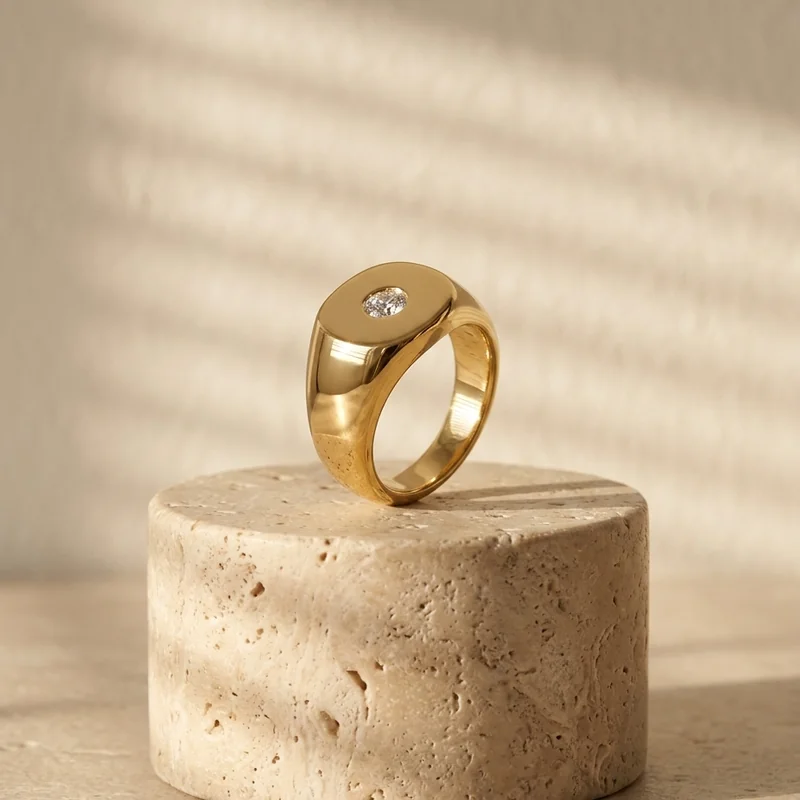
The gold standard for clean beauty, organic skincare serums, and dermatological toners. The tactile, porous texture of travertine communicates natural minerals, botanical purity, and clinical efficacy without looking clinical.
2. Crystal Water Ripples & Sunlight Caustics
Staging bottles in shallow, crystal-clear water basins with dancing sunlight ripples. Essential for marine fragrances, hyaluronic acid serums, and hydrating essences, visually communicating deep hydration and crisp freshness.
3. Botanical Ingredients & Olfactory Note Staging
Placing fragrance bottles alongside physical scent ingredients: fresh bergamot wedges, split vanilla pods, cedarwood shavings, or velvet rose petals. This visualizes the fragrance pyramid so shoppers can 'smell' the top and base notes through the screen.
4. Matte Obsidian & Volcanic Dark Studio
Matte black volcanic basalt, dark slate tiles, and moody side rim lighting. The definitive luxury look for masculine colognes, luxury oud perfumes, and intensive anti-aging overnight creams.
5. Luxury Spa Bathroom Vanity & Warm Morning Light
Polished terrazzo, ribbed glass partitions, and warm sunrise window beams. Ideal for everyday skincare routines, cleansing balms, and body oils - helping shoppers envision the product on their own bathroom counter.
6. Floating Anti-Gravity Droplets & Cosmetic Swatches
Suspending serum dropper bottles in mid-air with suspended honey-like fluid droplets and cosmetic cream smears. Demonstrates rich texture, viscosity, and fast absorption.
The 7-Image Shopify Beauty & Skincare PDP Sequence
Structure your Shopify gallery to guide shoppers from initial curiosity to checkout confidence:
| Gallery Position | Shot Type & Angle | Staging Environment | Buyer Psychology Trigger |
|---|---|---|---|
| Image 1 (Hero) | Straight-On Eye Level | Pure Studio White (#FFFFFF) | Instant Label Clarity & Marketplace Ad Compliance |
| Image 2 | Editorial Elevation | Italian Travertine / Raw Plinth | Luxury Perceived Value & Premium Pricing Validation |
| Image 3 | Product-in-Hand / Scale | Photorealistic Human Hand Reference | Physical Size Clarity & Bottle Grip Ergonomics |
| Image 4 | Texture & Swatch Macro | Cream Smear / Serum Droplet Close-Up | Viscosity, Absorption & Formula Sensory Proof |
| Image 5 | Ingredients / Lifestyle | Water Caustics or Botanical Accents | Active Formulation & Scent Note Storytelling |
| Image 6 | Unboxing & Outer Carton | Clean Marble Staging with Embossed Box | Gifting Confidence & Unboxing Excitement |
| Image 7 | Clinical Results Infographic | Clean Studio Backdrop with Benefit Badges | Final Checkout Push & Return Risk Reversal |
Case Study: How a D2C Fragrance Brand Slashed Photo Costs by 92%
An indie fragrance house based in Austin, Texas, previously spent $4,500 every season on studio photographers, prop stylists, and post-production retouchers to launch 3 seasonal perfumes. The process took 4 weeks, severely delaying product launches.
They switched to SocialShot AI Studio on Shopify, photographing bottles at home on an iPhone near indirect daylight and using AI luxury presets:
The 90-Day Results:
- Production Costs: Dropped from $4,500 per launch to less than $40/month in AI credits (a 92% cost reduction).
- Launch Speed: Time-to-market dropped from 28 days to under 2 hours from raw photo to live Shopify PDP.
- Conversion Rate: The complete 7-image gallery (featuring water caustics, travertine pedestals, and botanical ingredients) increased storefront conversion rate from 1.7% to 3.6%.
- Average Order Value (AOV): Increased by $22 because customers purchased discovery bundles after seeing cohesive aesthetic staging across all fragrance lines.
5 Costly Beauty Photography Mistakes to Avoid
Eliminate these common photography mistakes that drag down luxury perceived value:
Mistake 1: The Crooked Dropper Tube
Never photograph a serum bottle where the internal glass pipette is resting crookedly against the side of the bottle. It looks careless and cheap. Center the tube before snapping.
Mistake 2: Completely Dark, Murky Liquid
Shooting amber perfume or facial oil with only front light turns the liquid into an opaque brown sludge. Always bounce or backlight the fluid so it glows like honey or liquid gold.
Mistake 3: Scrambled Fine Typography & Volume Metrics
Using generic AI diffusion models that blur or invent new characters on ingredient lists ruins buyer trust. Ensure your software uses strict sub-pixel product locking.
Mistake 4: Missing Ground Reflections on Polished Surfaces
Placing a glossy glass bottle onto polished marble without rendering a subtle inverted surface reflection makes the bottle look pasted in Photoshop. True ray-tracing calculates specular Fresnel reflections.
Mistake 5: Over-Smoothing Liquid Textures into Plastic Paint
When showing serum drops or cosmetic cream swatches, keep the authentic micro-bubbles and natural gloss. Over-smoothing makes skincare formulas look like synthetic acrylic paint.
Frequently Asked Questions
Will AI scramble my perfume bottle's logo, brand name, or ingredient list?
No. Unlike generic art generators that redraw the entire image from scratch, SocialShot utilizes Strict Product Preservation. It freezes your bottle's exact typography, embossed gold foil, barcodes, and packaging dimensions as immutable ground truth, generating lighting and luxury backgrounds only around the locked product.
How does SocialShot generate realistic water ripple and caustic effects?
SocialShot's ray-tracing engine calculates how natural sunlight refracts through curved glass and water surfaces, projecting physical caustic light patterns and surface reflections onto travertine and marble pedestals beneath the bottle.
What is the best hero image background for cosmetics on Shopify and Amazon?
For your main hero image (Image 1), always use a pure #FFFFFF white background with a soft, physics-accurate contact shadow to comply with Amazon and Google Merchant Center advertising guidelines. Use luxury travertine plinths, water caustics, and botanical staging for secondary gallery images 2 through 7.
Can I generate photos showing human hands holding the cosmetic bottle?
Yes. SocialShot features pre-calibrated 'Product-in-Hand' scale presets that generate photorealistic human hands with natural skin textures and clean manicures, eliminating the need to book hand models or studio time.
How do I make perfume liquids look glowing and luminous?
The secret is transillumination (backlighting). When capturing your initial photo, position a light source or bright window behind the bottle and place a small white card behind the liquid. This shines light through the fluid volume, making it glow internally.
Are the generated images commercially licensed for ads and packaging?
Yes. All images created through SocialShot AI Studio include 100% royalty-free commercial usage rights for your Shopify store, Amazon listings, Meta/TikTok ad campaigns, billboards, and print collateral.
Final Thoughts
In luxury cosmetics and fine perfumery, packaging aesthetics dictate perceived value. A $15 serum shot on a luxury travertine pedestal with water caustics instantly looks like an $80 luxury boutique staple.
With SocialShot AI Studio, you no longer need five-figure photography budgets or weeks of studio coordination to compete with global beauty conglomerates.
Upgrade your beauty brand's imagery today: install SocialShot AI Studio on Shopify or explore our AI product photography suite.
Explore Free Creative AI Tools on SocialShot
Boost your store conversions with our free browser-based tools:
Free AI Product Photography
Studio-grade product shots with 23+ camera angles, marble pedestals, and natural lighting.
Free AI Shadow Maker
Generate physics-accurate contact and drop shadows for transparent product cutouts.
Free AI Pose Changer
Turn 1 fashion photo into 100+ high-fashion poses and multi-angle catalog lookbooks.
AI Fashion Model Generator
Dress diverse, photorealistic AI fashion models with zero expensive photoshoots.